
Introduction: Why SBTi Now Sits Inside Commercial Reality
In 2026, setting a net-zero target is no longer a branding exercise for SMEs-it’s a commercial requirement.
Large corporates and public sector buyers are pushing decarbonisation down the supply chain. Increasingly, supplier questionnaires and RFPs are asking a simple question:
“Do you have a science-based target?”
For UK manufacturing SMEs, the Science Based Targets initiative (SBTi) offers a structured way to answer that question credibly.
The good news: there is a streamlined SME route.
The challenge: many businesses stall before they ever submit.
Most get stuck at:
- Baseline measurement
- Scope 3 complexity
- Misunderstanding what “net zero” actually means
This guide breaks down what the SME route really requires-and how to move from intention to a validated target.
What the SBTi SME Route Actually Requires
The SME pathway is designed to reduce complexity-but it is not a shortcut.
Eligibility
You can use the SME route if:
- Your Scope 1 + Scope 2 emissions are under 10,000 tCO₂e per year
- This is assessed at company level (not per site or project)
What You Sign Up To
By joining the SME route, you commit to:
- Setting a near-term target (typically to 2030)
- Aligning with a 1.5°C pathway
- Committing to net zero by 2050 at the latest
Key Distinction
- Near-term target: what you will reduce by ~2030
- Net-zero target: your long-term end state (≥90% reduction)
Why Net Zero Under SBTi Is Not What Most People Think
“Net zero” is widely misunderstood.
Under SBTi, it does not mean balancing emissions with offsets.
The Real Requirement
- You must reduce at least 90% of emissions across:
- Scope 1
- Scope 2
- Scope 3
What Happens to the Remaining 10%?
Residual emissions must be:
- Neutralised (e.g. permanent carbon removal)
- Not simply offset using avoidance credits
Why This Matters
This changes the strategy entirely:
- Offsets cannot replace reduction
- Operational change becomes mandatory
- Supply chain emissions become unavoidable
Getting Your Baseline Right
Most SMEs fail or delay at this stage.
A weak baseline leads to:
- Rejection during validation
- Unrealistic targets
- Loss of credibility with customers
Common Errors in Manufacturing
1. Incorrect Emissions Factors
- Using outdated or generic data
- Not aligned with recognised standards
2. Poor Boundary Definition
- Missing sites or operations
- Inconsistent inclusion criteria
3. Incomplete Scope 3
- Ignoring key categories
- No supplier data strategy
The Standard You Need
Your baseline must be:
- Complete
- Consistent
- Defensible under review
Near-Term Targets for 2030: Setting a Realistic Trajectory
This is where many SMEs make a critical mistake:
Setting a target that looks good-but cannot be delivered.
What a Realistic Target Looks Like
- Aligned with 1.5°C pathway
- Based on actual reduction levers
- Supported by operational plans
Typical Abatement Levers in Manufacturing
- Energy efficiency improvements
- Electrification of processes
- Renewable energy procurement
- Logistics optimisation
The Risk of Getting It Wrong
- Over-commitment leads to failure
- Under-commitment reduces credibility
Best Practice
Build your target from operational reality-not from aspiration.
Scope 3 in Manufacturing: What You Must Include
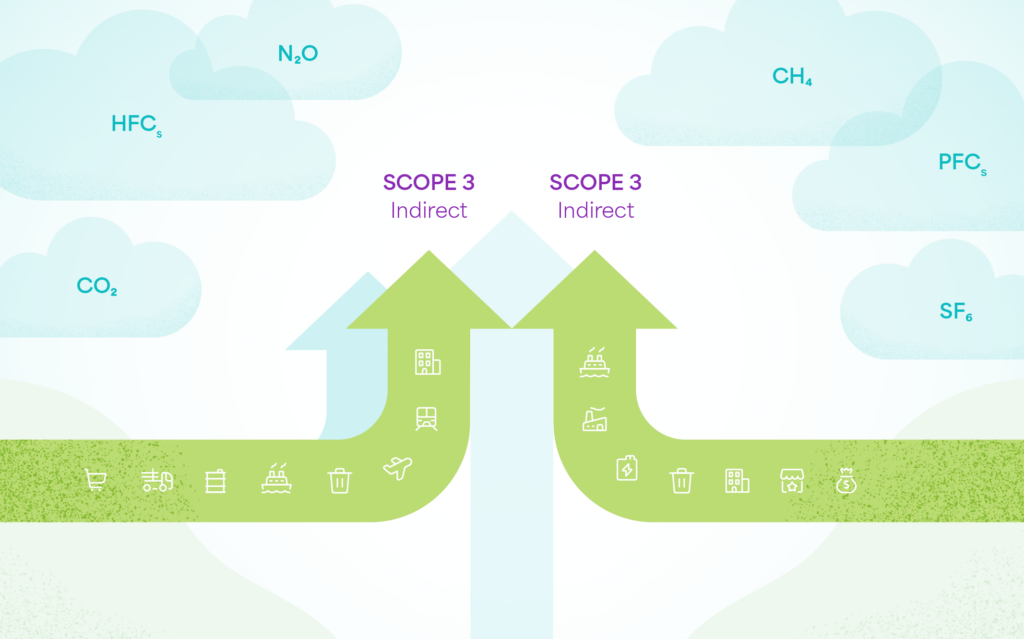
For most SMEs, Scope 3 is the hardest part.
But under SBTi, it cannot be ignored.
Key Categories Typically Required
- Purchased goods and services
- Upstream transport and distribution
- Use of sold products (where relevant)
Handling Data Gaps
You will not have perfect data-and that’s expected.
Acceptable approaches include:
- Spend-based estimates
- Industry averages
- Supplier engagement over time
The Key Principle
Start with:
reasonable estimates now
Then improve:
data quality over time
The Submission and Validation Process
Once your baseline and targets are ready, the process is structured.
Step 1: Commitment
- Submit commitment letter
- Confirm intent to set a target
Step 2: Target Submission
- Provide emissions baseline
- Submit near-term and net-zero targets
Step 3: Validation
- SBTi reviews submission
- Feedback and revisions if needed
Timeline
- Typically several weeks to a few months
- Depends on data quality and completeness
After Validation
- Your target becomes public
- You are expected to report progress annually
What to Do This Quarter: The 3 Critical Steps
Before applying, focus on three actions.
1. Baseline Audit
- Validate Scope 1 and 2 data
- Establish initial Scope 3 coverage
2. Scope 3 Materiality Assessment
- Identify high-impact categories
- Prioritise data collection
3. Internal Sign-Off
- Align leadership
- Confirm commitment to delivery
Why This Matters
Without internal alignment, targets fail in execution-not in validation.
From Target Setting to Ongoing Control
Setting a target is only the start.
SustainZone
- Builds your Scope 1, 2, and 3 baseline
- Identifies gaps against SBTi requirements
- Tracks progress against targets
SustainGate
- Stores your SBTi commitment and validation documents
- Automates responses in tenders and supplier questionnaires
Together, we move SBTi from:
one-time submission
to
continuous performance management
Conclusion: A Target That Holds Is a Competitive Advantage
In 2026, a credible net-zero target is no longer optional.
It is:
- A procurement requirement
- A supply chain expectation
- A signal of operational maturity
The SMEs that move early will:
- Secure preferred supplier status
- Build stronger customer relationships
- Avoid rushed, reactive compliance later
A weak target creates risk. A credible target creates advantage.