
Introduction: The Deadline That Changes Everything
For UK project-based SMEs, 2026 is not a planning horizon-it’s a compliance deadline.
The NHS Evergreen Level 1 requirement (6 April 2026) is the clearest forcing function the market has seen. It is not aspirational. It is binary:
- You meet the requirement → you stay eligible
- You don’t → you’re excluded at tender stage
For many businesses, the uncomfortable reality is this:
The gap between current spreadsheet-based processes and a compliant submission is three to four months of structured work.
That means starting in Q1 2026 is already too late for some tenders.
This roadmap breaks down what needs to happen-quarter by quarter-to move from fragmented compliance evidence to a structured, defensible system.
Step 1: Audit Your Current Compliance Evidence
Before building forward, you need a realistic baseline.
Most SMEs already have some elements in place-but they are fragmented, inconsistent, or incomplete.
What to Assess
1. Carbon Reduction Plan (CRP)
- Does one exist?
- Is it aligned with PPN 006 requirements?
- Has it been formally approved?
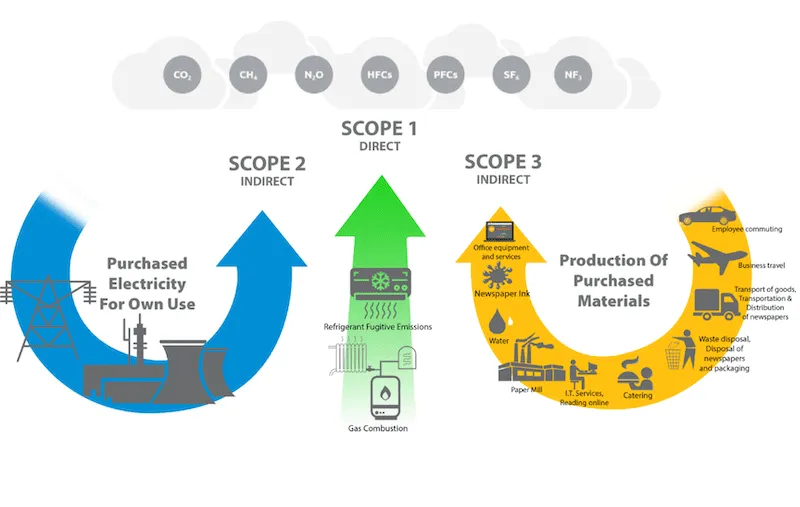
2. Scope 1 & 2 Emissions Data
- Are energy sources clearly defined?
- Is data based on actual usage or estimates?
- Are utility bills reconciled?
3. Scope 3 Coverage
- Do you capture key categories (e.g. transport, materials)?
- Where are the gaps?
- Is supplier data available?
Reality Check
If your compliance evidence sits across:
- Email threads
- Word documents
- Shared drives
…you don’t have a system-you have risk exposure.
Q1 2026: Data Collection and Gap Closure
This is your foundation phase. Without clean data, nothing else works.
Minimum Viable Data Set
Scope 1 (Direct Emissions)
- Fuel usage (vehicles, plant, equipment)
Scope 2 (Energy)
- Electricity consumption
- Gas usage
Scope 3 (Initial Coverage)
- Freight and logistics
- Key purchased materials
Critical Actions
- Reconcile utility bills against reported figures
- Standardise data formats across projects
- Establish monthly tracking (not annual guesswork)
What Good Looks Like
By the end of Q1, you should have:
- A consistent dataset across Scope 1 and 2
- Initial Scope 3 visibility
- Identified and documented data gaps
Q2 2026: Document and Publish Your CRP
This is where data becomes compliance.
Under PPN 006 (effective 24 February 2025), your Carbon Reduction Plan must meet specific criteria.
What a Compliant CRP Must Include
- Scope 1 and Scope 2 emissions
- A defined subset of Scope 3 emissions
- A clear commitment to net zero by 2050
- Year-on-year emissions comparison
- Carbon reduction initiatives
Governance Requirements
- Board-level approval (not optional)
- Formal sign-off process
- Version control and audit trail
Publication
Your CRP must be:
- Publicly accessible
- Linked within tender submissions
Common Failure Points
- Incomplete Scope 3 data
- No formal sign-off
- Outdated or inconsistent figures
Q3 2026: NHS Evergreen Level 1 Submission
This is the point where compliance becomes commercial reality.
What Level 1 Requires
- A PPN 006-compliant CRP
- Scope 1 and 2 emissions data
- Relevant Scope 3 coverage
- Net zero commitment by 2050
The Submission Process
- Prepare a structured evidence pack
- Align documentation across all requirements
- Submit through the NHS Evergreen framework
Common Rejection Reasons
- Data inconsistency between documents
- Missing Scope 3 elements
- Lack of audit trail
- Poor documentation structure
What Success Looks Like
- A complete, internally consistent evidence pack
- Traceable data sources
- Clear governance and approval records
Ongoing: Keeping Compliance Evidence Current
Compliance is not a one-time project-it is an ongoing process.
Key Activities
Annual CRP Refresh
- Update emissions data
- Track progress against targets
Supplier Engagement
- Issue sustainability questionnaires
- Collect Scope 3 data
Audit Trail Maintenance
- Track changes and updates
- Maintain version history
- Ensure documentation consistency
The Risk of Standing Still
Outdated compliance data is as risky as no data at all-especially in regulated tenders.
When a System Replaces the Spreadsheet
At some point, manual processes stop working.
Clear Warning Signs
- Multiple versions of the same document
- Data inconsistencies across reports
- Time lost chasing information
- Increasing rejection rates in tenders
The Reality
Spreadsheets are flexible-but they are not:
- Auditable
- Scalable
- Reliable under regulatory scrutiny
What a System Changes
- Centralised data and documentation
- Automated workflows
- Built-in audit trails
- Consistent reporting outputs
From Fragmentation to Workflow: The Role of Systems
To operationalise compliance at scale:
SustainGate
- Manages CRP creation
- Structures Evergreen Level 1 evidence packs
- Maintains audit trails
SustainZone
- Measures Scope 1, 2, and 3 emissions
- Feeds accurate data into compliance documentation
Together, we replace fragmented processes with a repeatable compliance
Horizon Planning: What Comes Next
While 2026 deadlines dominate, forward-looking SMEs are already preparing for:
EUDR (EU Deforestation Regulation)
- Enforcement for SMEs from 30 June 2027
- Requires supply chain traceability for materials like:
- Wood
- Rubber
- Soy
For supply-chain-heavy businesses, this will introduce a new layer of compliance complexity.
Conclusion: Compliance Is Now an Operational Capability
The SMEs that succeed in 2026 will not be the ones scrambling at tender stage.
They will be the ones that:
- Treat compliance as an operational workflow
- Build structured systems early
- Maintain continuous, auditable evidence
Because in today’s market:
Compliance is no longer a document-it is a capability.